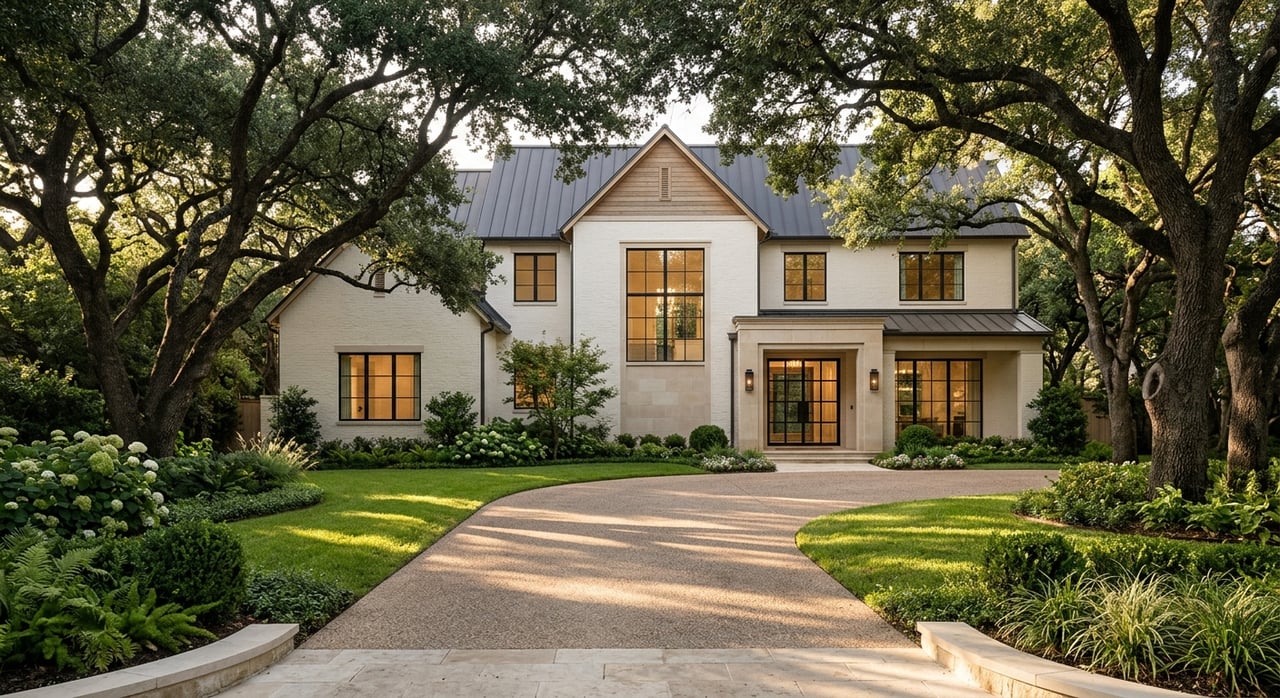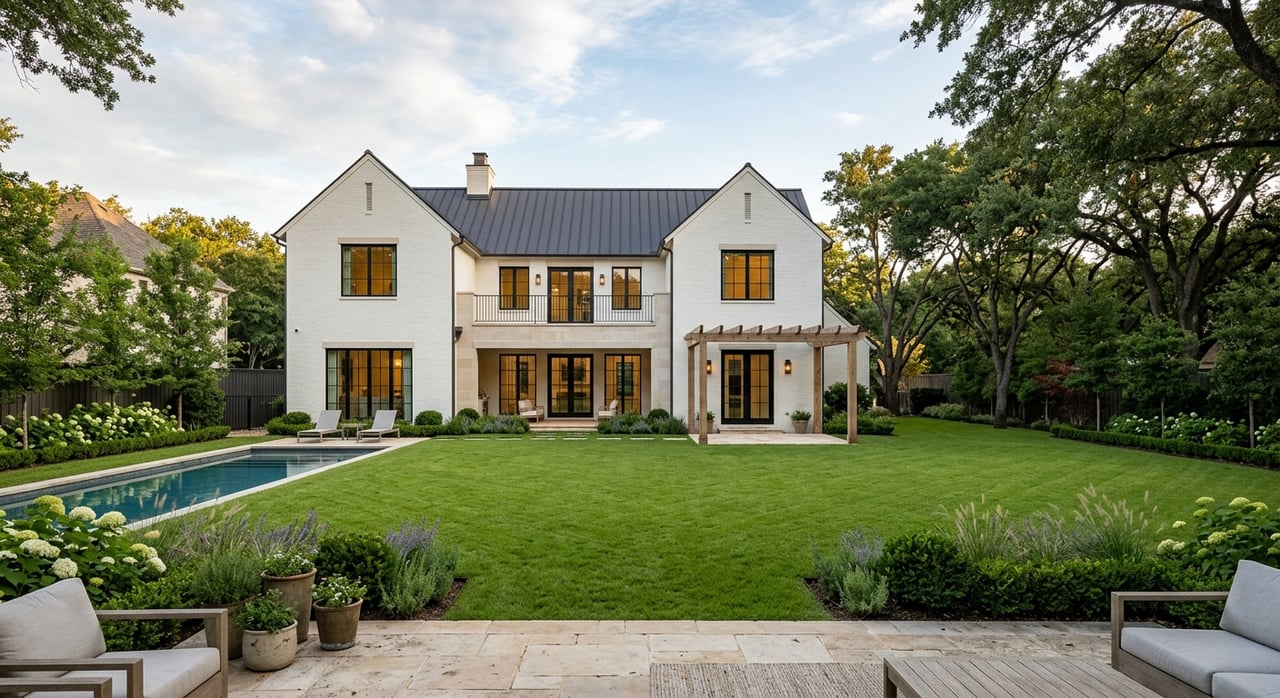
Wondering whether a University Park lot can support your long-term plans? That question matters more than many buyers and owners expect, especially in the Park Cities where lot value is often tied to legal buildability, not just the house that sits there today. If you are weighing a purchase, planning a renovation, or thinking about teardown potential, understanding the site itself can help you make a smarter decision. Let’s dive in.
Why lot potential matters
In University Park and nearby Highland Park, “lot potential” is really about the legal and physical envelope of the site. That includes lot status, setbacks, lot coverage, utility easements, tree requirements, and whether your plans fit current city rules.
This is important because a beautiful existing home does not always tell you what the property can do next. In many cases, the lot’s constraints or flexibility have a major effect on future design options, outdoor living, and resale value.
University Park and Highland Park differ
Although people often group the Park Cities together, University Park and Highland Park are separate municipalities. Each city has its own zoning rules, redevelopment procedures, permit requirements, and tree regulations.
That means you should avoid assuming a lot works the same way across both towns. A property that appears similar on paper may have a very different path for an addition, pool, replat, or rebuild depending on which city it is in.
Start with legal lot status
One of the first questions to answer is whether the property is a legal lot or parcel for the type of work you want to do. In University Park, a new building requires a legal lot or parcel, and if existing property lines cross the building site, the city may require an amending plat.
That detail can shape everything from your timeline to your design choices. If you are evaluating a lot for a custom build or major renovation, legal lot status should be reviewed before you get too far into planning.
Why plats matter
A recorded plat helps define how the lot is legally recognized. It can also reveal whether the parcel may need formal revision before construction proceeds.
For buyers, this is one reason the site plan matters as much as the floor plan. A lot that seems straightforward at first glance may involve extra municipal review before you can move ahead.
Easements can limit flexibility
In University Park, no construction may occur over utility easements. That can affect where you place an addition, garage configuration, pool, patio, or other improvements.
This is one of the biggest reasons surveys and site plans are so valuable during due diligence. If an easement cuts through the portion of the lot where you hoped to build, the usable footprint may be smaller than expected.
Corner and irregular lots need extra review
Lot shape also matters. Corner lots can involve modified street-side setbacks in certain situations, which may affect where structures can sit on the site.
An irregular lot shape can also reduce practical design flexibility, even if the total square footage looks appealing. In other words, not every large lot performs like an easy building lot.
Setbacks shape the buildable envelope
Setbacks are one of the biggest drivers of lot potential in University Park. In the city’s single-family districts, front setbacks range from 50 feet to 25 feet, street-side setbacks are 10 feet, and side-yard rules are tied in part to lot width.
That width-based approach matters on narrower lots. Two properties with similar overall size may offer very different interior width for the main house once side-yard requirements are applied.
Height and orientation also matter
University Park sets maximum principal building height at 35 feet in single-family districts. The principal building must also face a street rather than an alley.
These rules may seem basic, but they shape architecture, entry sequence, garage planning, and second-story design. When you are judging lot potential, the right question is not just “How big is the lot?” but “What can realistically fit here under current rules?”
Lot width and depth affect options
In University Park’s SF-1 through SF-4 districts, minimum lot widths range from 150 feet to 50 feet, and minimum lot depths range from 150 feet to 120 feet. The city also has separate standards in its D districts.
Those numbers matter because width and depth influence both the building footprint and the feel of the outdoor space that remains. On a premium lot, the best value often comes from balance: enough room for the house you want, plus functional yard space that still feels open and useful.
Tree rules are a major factor
Mature trees can absolutely add appeal, but only if they work within the buildable envelope. In University Park, at least two designated trees must remain on the property at the end of construction.
If that is not possible, the owner may plant one tree on the lot and one in the parkway or contribute to the city reforestation fund. The city also requires tree-protection fencing and limits grading and paving within a tree’s critical root zone.
Trees can help or hinder a plan
This is where lot potential gets nuanced. A mature tree can add shade, beauty, and presence, but its location may also restrict where you can build or pave.
Replacement trees also cannot be placed in utility easements or rights-of-way. So when you are evaluating a site, tree placement matters just as much as tree count.
Outdoor living should be evaluated early
In University Park, buildable area for tree preservation purposes includes more than the house itself. It also includes features such as driveways, pools, decks, patios, parking areas, and other construction shown on the site plan.
That means outdoor amenities are not an afterthought. If your vision includes a pool, cabana, expanded terrace, or large entertaining space, those elements should be evaluated at the start, not squeezed in later.
Rear-yard usability matters
A lot may technically support a large home but leave limited room for comfortable outdoor living. In practice, many buyers place a premium on rear-yard depth, clean layout, and enough flexibility to create a patio or pool area without compromising circulation.
The most adaptable lots are often the ones with a clear setback envelope, manageable tree constraints, and room to add meaningful outdoor features over time.
Sun, shade, and orientation affect comfort
Lot potential is not only about code. It is also about how the property lives day to day.
According to U.S. Department of Energy guidance, south-facing windows generally capture the most winter sun, while east- and west-facing glass are harder to shade and can create more solar heat gain. EPA guidance also notes that shade trees on the west and southwest sides of buildings can reduce cooling energy use.
Why this matters in North Texas
For outdoor living in North Texas, late-day sun can make a patio or pool deck much less comfortable. A lot that allows useful shade on the west or southwest side, while still bringing in good natural light, may perform better for everyday living and entertaining.
This does not make one orientation universally better than another. It simply means orientation and shade planning deserve a place in the conversation when you compare lots.
Renovation versus rebuild is a key question
For many University Park owners, lot potential is tied to whether the current home can be expanded or whether a project starts to resemble a full rebuild. The city’s building guidance states that demolition of more than 50% of a structure requires complete demolition and rebuild to current city building and zoning codes.
That threshold can be a major decision point. If you are considering a large-scale remodel, the scope of removal may affect whether the project remains a renovation or shifts into a full code-compliant rebuild.
Permits are part of the process
University Park states that most new construction, remodeling, and additions require permits. The city’s code enforcement information also highlights common permit questions involving pools, decks, spas, and retaining walls.
If a project includes a pool, the city also requires pool fencing with self-closing, self-locking gates. For buyers and owners alike, these details are worth understanding early so the project budget and timeline reflect reality.
A practical checklist for evaluating lot potential
Before you treat a property as a high-potential lot, it helps to review the basics in a structured way.
- Confirm the recorded plat and legal lot status
- Review the survey for utility easements
- Check tree locations and critical root zones
- Measure the setback envelope
- Note whether the lot is a corner lot or has unusual frontage
- Evaluate rear-yard depth for outdoor living plans
- Ask whether your scope could trigger an amending plat, variance, or rebuild requirement
- Verify permit needs for additions, pools, decks, or other site improvements
This kind of review can protect you from overestimating what the site can support. It can also help you spot hidden upside when a lot has clean dimensions, favorable orientation, and fewer constraints than competing properties.
Why local guidance matters
In a market like University Park, lot evaluation is both strategic and highly specific. Two homes on the same street can have very different potential based on width, easements, tree placement, and how current rules apply to future plans.
That is why buyers and sellers often benefit from a fact-based review before making assumptions about value. When lot quality, design flexibility, and long-term use are part of the equation, details matter.
If you are evaluating a lot in University Park or comparing lot-driven opportunities across the Park Cities, Holly Davis & Amy Farris bring a thoughtful, hands-on perspective shaped by residential land, new construction, remodeling, and luxury resale experience.
FAQs
What does lot potential mean in University Park?
- In University Park, lot potential usually refers to how the property’s legal lot status, setbacks, easements, tree rules, coverage limits, and rebuild requirements affect what you can build or change.
Do utility easements affect building plans in University Park?
- Yes. University Park states that no construction may occur over utility easements, which can limit where you place additions, pools, patios, garages, or other improvements.
Can mature trees limit redevelopment in University Park?
- Yes. Tree preservation rules can affect grading, paving, and building placement, and the city requires at least two designated trees to remain at project completion or approved replacement steps.
Does a major remodel trigger a full rebuild in University Park?
- It can. University Park says demolition of more than 50% of a structure requires complete demolition and rebuild to current city building and zoning codes.
Why are surveys and site plans important when buying a lot in University Park?
- Surveys and site plans help you identify easements, setbacks, tree placement, lot shape issues, and the realistic buildable area before you make decisions about purchase or design.