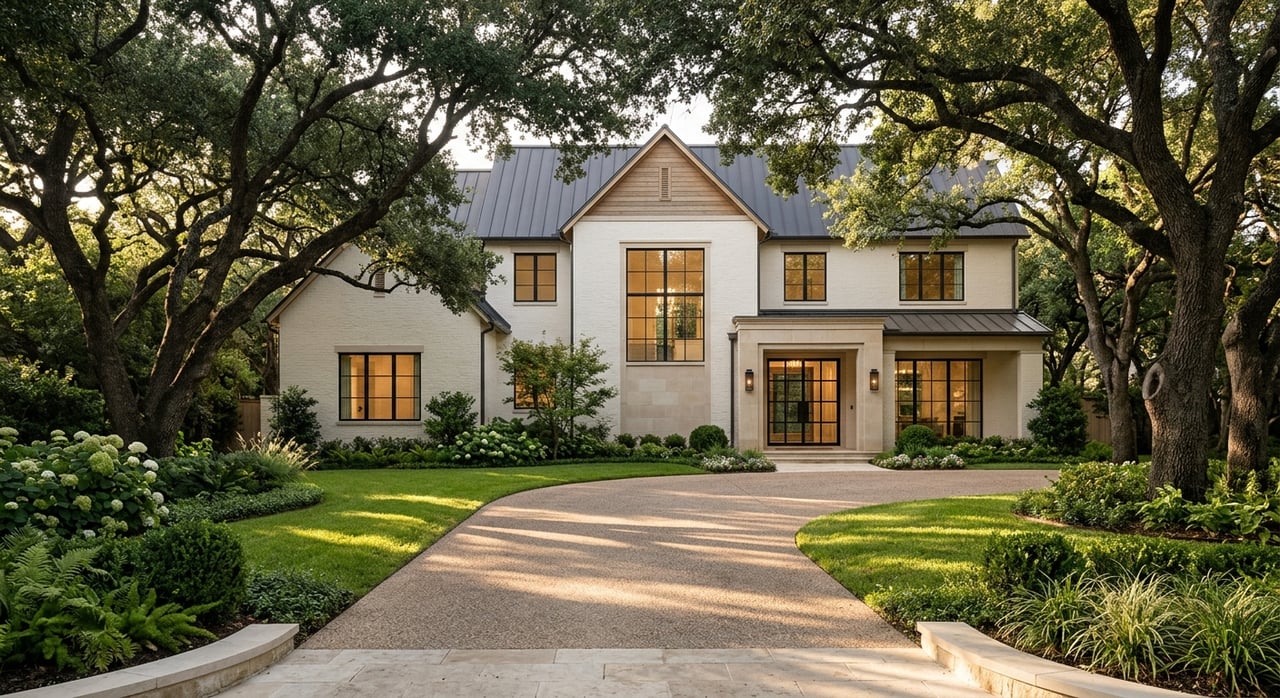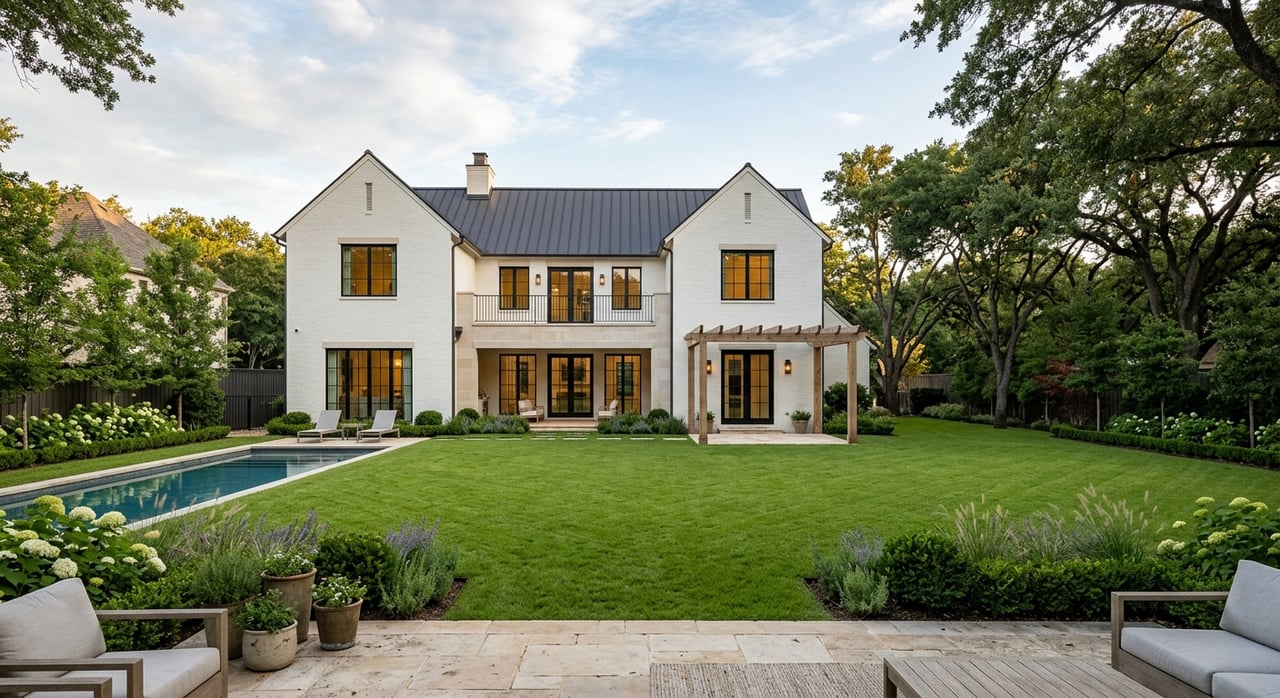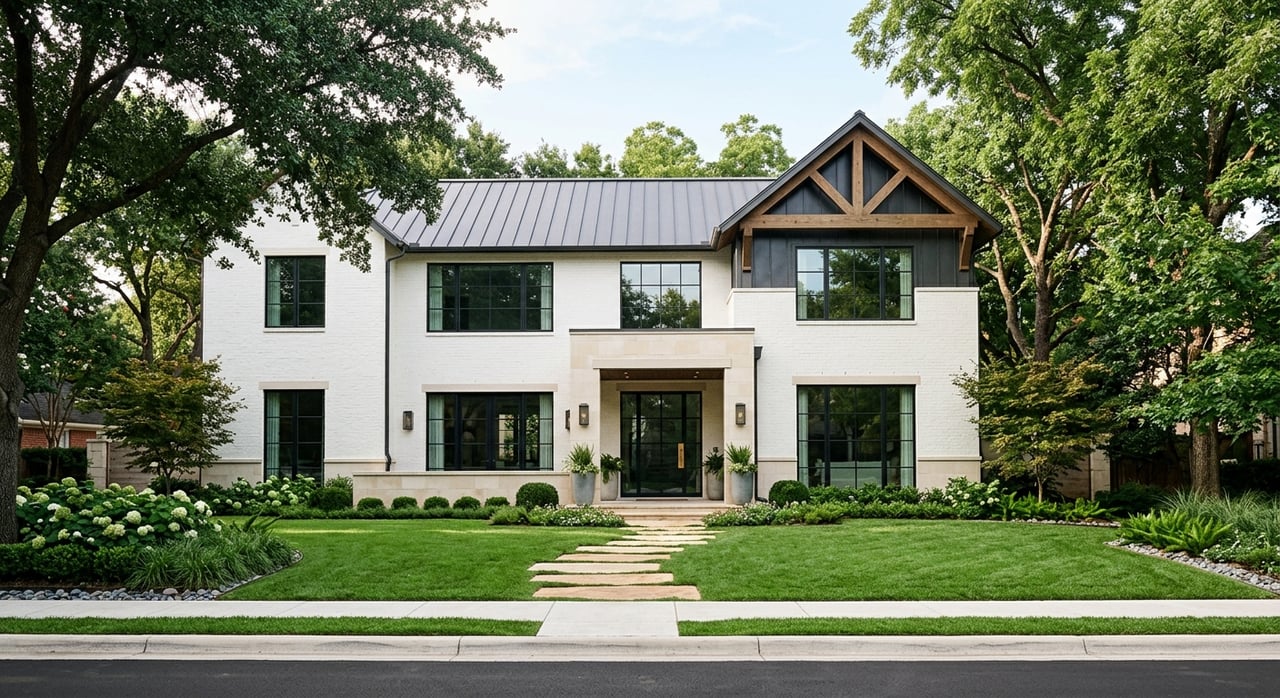
If you are trying to picture what daily life really feels like in Highland Park and University Park, it often comes down to the small routines that shape your week. You may be thinking less about tourist highlights and more about coffee runs, park time, errands that are easy to knock out, and a neighborhood setting that feels polished but livable. In these two close-in Dallas communities, that rhythm is a big part of the appeal. Here’s a closer look at what everyday living in Highland Park and University Park can look like.
Daily Life in University Park
University Park is a predominantly residential community of more than 25,000 residents located about five miles north of downtown Dallas. The city notes that it includes more than 7,000 homes, Southern Methodist University, the George W. Bush Presidential Center, and service by Highland Park Independent School District. That mix gives the area a close-in location with access to business, shopping, recreation, and cultural destinations.
What stands out in daily life is the residential feel. University Park describes its tree-lined streets and towering canopy as part of the city’s character, and that visual identity shows up in the pace of the neighborhood. It tends to feel more rooted in routines, parks, and local gathering spots than in a dense urban atmosphere.
Highland Park’s Landscaped Setting
Highland Park shares that close-in location, but it brings its own distinct setting. Official town materials highlight 22 park locations, 12 landscaped traffic islands, and about 59.3 acres of maintained green space. That long-standing emphasis on landscape design helps shape the area’s more formal, garden-like feel.
The town’s development history supports that impression. Highland Park says landscape designer Wilbur David Cook was hired in 1907, and 20 percent of the original land was reserved for parks. Today, that planning still influences how the community looks and feels from one block to the next.
Shopping and Errands Made Easy
For many residents, everyday convenience centers on a few key retail areas. In University Park, Snider Plaza is the clearest neighborhood anchor. The city says the shopping center opened in 1927 and remains a thriving hub in the heart of University Park.
Its current mix supports day-to-day routines. You will find restaurants, coffee, wellness businesses, and service providers, including names such as Zest Cafe, Penne Pomodoro, Osgood O’Neil, Pilates Barre, and several health and beauty businesses. The setting is designed with tree-lined walkways and a social, neighborhood-oriented atmosphere.
Preston Center adds another nearby option for shopping and dining. University Park describes it as home to upscale boutiques and fine dining, with additional shops and eateries along Preston Road near Lovers Lane, the Tollway, and SMU on Mockingbird. For residents, that means there is more than one place to handle errands, meet friends, or grab a meal without going far.
Highland Park Village as a Destination
Highland Park Village plays a different role in the area’s lifestyle. It is best understood as a destination-oriented retail and dining district rather than just a quick errand stop. Visit Dallas describes it as an open-air luxury shopping and dining destination with concierge-style services.
The current mix reflects that positioning. The village’s 2025 brochure lists brands and dining spots such as Hermès, Dior, Ralph Lauren, Mi Cocina, Bistro 31, Café Pacific, Bird Bakery, Sadelle’s, The Honor Bar, and Royal Blue Grocery. If Snider Plaza is the everyday neighborhood node, Highland Park Village is the place that often feels more like an outing.
Parks Shape the Weekly Rhythm
One of the clearest lifestyle themes in both communities is how often parks show up in daily routines. In Highland Park, Lakeside Park is the biggest green space and one of the area’s best-known outdoor settings. The town describes it as its largest and most iconic park, covering 14.32 acres along Turtle Creek between Beverly Drive and Armstrong Parkway.
In spring, Lakeside Park becomes even more of a draw. Highland Park highlights its annual azalea season, with more than 8,000 azaleas typically blooming in the last weeks of March and first weeks of April. That seasonal rhythm adds another layer to everyday life and gives the neighborhood a tradition many residents look forward to each year.
University Park Parks for Repeat Use
University Park’s park network is especially geared toward regular use. Caruth Park includes a pond, baseball and soccer fields, playgrounds, lighted tennis courts, picnic areas, a walking and jogging trail, and year-round fishing. It is the kind of place that can serve different needs on different days.
Other parks add even more variety. Centennial Park includes a gazebo, practice soccer fields, picnic space, and walking and jogging trails. Williams Park offers lighted pickleball courts, a pond, a playground, a LOVE sculpture, and a trail system.
These are not just scenic spaces. The city calendar shows parks being used actively through events like the Children’s Fishing Derby, Eggstravaganza, Movie in the Park, Doggie Splash Day, Arbor Day, and the Holiday Tree Lighting. That event calendar helps turn public spaces into part of the neighborhood’s regular social rhythm.
Trees and Community Character
University Park directly connects its tree canopy to neighborhood identity. The city says its tree-lined streets and towering canopy are a defining part of community character. Through its Trees for Town program, more than 3,300 trees have been added since 1982.
That may sound like a background detail, but it changes the experience of daily life. Mature trees and shaded streets can shape how a neighborhood feels on a walk, during a drive, or when spending time outdoors. In University Park, that canopy is part of what gives the area its consistent visual character.
Architecture and Local History
The area’s built environment also contributes to its everyday appeal. Highland Park Village is the strongest architecture story in the neighborhood. The National Park Service nomination describes it as a group of seven detached commercial units designed in 1928 and 1929 and built mainly from 1931 to 1941 in the Mission and Spanish Colonial Revival style.
The layout centers on a plaza, which helps explain why it feels more like a village than a standard shopping center. Highland Park’s incorporation history also notes that the 1931 village was the first shopping center of its kind in the United States. That combination of design and history gives the district a sense of place that goes beyond retail.
Traditions That Mark the Year
Seasonal traditions help define the pace of life here. University Park’s special-events page highlights the Park Cities 4th of July Parade as a decades-long tradition sponsored by the Park Cities Rotary Club and winding through both Highland Park and University Park. It is one of the clearest examples of how the two communities share recurring neighborhood rituals.
Holiday events also play a visible role. University Park highlights holiday tree lighting at Snider Plaza and Elena’s Children’s Park, while Highland Park’s library page shows recurring story times and other community programs. These events create familiar touchpoints throughout the year and reinforce the area’s neighborhood-centered feel.
Who This Lifestyle May Suit Best
For many buyers, the biggest takeaway is not one single amenity. It is the way these communities support daily life through proximity, parks, neighborhood retail, and long-running traditions. The overall pattern points toward a lifestyle centered on convenience, outdoor time, seasonal events, and local gathering places.
If you are looking for a close-in Dallas address that feels highly landscaped and residential, Highland Park and University Park offer a distinct experience. The lifestyle here reads more as coffee runs, playground visits, tennis or pickleball, parade days, and dinner in neighborhood commercial nodes than as a nightlife-focused district. For buyers who value those routines, that can be a strong fit.
If you want help thinking through lifestyle fit, home options, or what daily living in the Park Cities may look like for your next move, Holly Davis & Amy Farris bring a thoughtful, local, relationship-first approach to the process.
FAQs
What is everyday life like in University Park, Dallas?
- Everyday life in University Park tends to center on residential streets, local parks, neighborhood shopping areas like Snider Plaza, and easy access to nearby Dallas business, dining, and cultural destinations.
What are the main shopping areas in University Park and Highland Park?
- Snider Plaza is a key neighborhood retail hub in University Park, Preston Center adds more shopping and dining nearby, and Highland Park Village serves as a major luxury retail and dining destination.
What parks are popular in University Park?
- University Park parks used often for daily routines include Caruth Park, Centennial Park, and Williams Park, which offer features such as trails, playgrounds, sports fields, ponds, tennis courts, and pickleball courts.
What is Lakeside Park known for in Highland Park?
- Lakeside Park is known as Highland Park’s largest and most iconic park, and it is especially noted for its spring azalea season when more than 8,000 azaleas typically bloom.
What community events take place in Highland Park and University Park?
- Recurring events noted by the cities include the Park Cities 4th of July Parade, Children’s Fishing Derby, Eggstravaganza, Movie in the Park, Doggie Splash Day, Arbor Day, holiday tree lighting events, and library programs.
How would you describe the lifestyle in Highland Park and University Park?
- The lifestyle is best described as close-in, landscaped, and neighborhood-oriented, with an emphasis on parks, local routines, seasonal traditions, and convenient retail and dining rather than a nightlife-centered pace.